
How long does a garage door last? Most garage doors last 15 to 30 years, depending on maintenance, material quality, weather exposure, and daily use. Regular garage door maintenance helps protect the springs, rollers, tracks, opener, and panels from early wear.
Taking proactive care of moving parts prevents unexpected failures and saves money over time. This guide explains which parts usually fail first, when repair makes sense, and how simple upkeep can help your garage door last longer.
What Are the Most Durable Garage Door Systems?
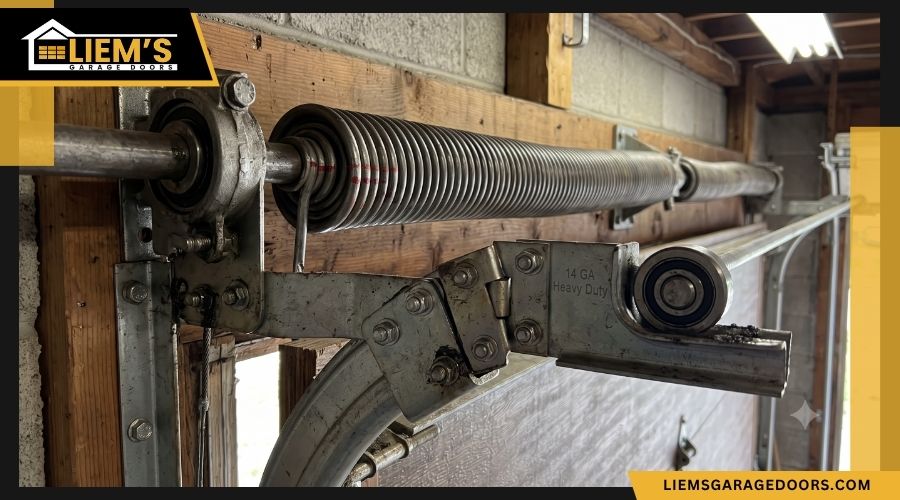
A premium setup relies on high-grade materials that can handle daily wear and tear. A heavy-duty system operates quietly and stays properly balanced during each opening cycle.
Many standard builder-grade doors use plastic rollers and low-cycle springs that wear out faster. Upgrading the moving parts can add years to your system and reduce stress on the opener.
Expect specific lifespans from the primary components.
| Garage Door Part | Average Lifespan | What Affects Its Lifespan |
| Torsion Springs | About 10,000 opening cycles | Daily use, spring quality, door balance, and regular inspections |
| Automatic Opener | 10 to 15 years | Motor strain, gear wear, maintenance, and opener age |
| Door Panels | Up to 30 years | Weather exposure, material quality, cleaning, rust, and impact damage |
| Rollers and Hinges | 5 to 10 years | Lubrication, track alignment, dirt buildup, and daily movement |
| Weatherstripping | 2 to 5 years | Sun exposure, moisture, cracking, and seal condition |
Why Do Regional Safety Regulations Matter?
Local building codes affect how homeowners maintain, replace, and upgrade garage door systems. Some areas also require specific opener features to improve safety during power outages.
In California, state law requires residential automatic garage door openers sold or installed on or after July 1, 2019, to include a battery backup function. Review the official details of California Senate Bill 969 before replacing an opener. The official DASMA safety guidelines also recommend safe use, regular checks, and professional service when needed.
Installing an outdated motor in a regulated area can create safety risks and compliance issues. Always verify current building codes before buying replacement equipment.
How Do I Spot Severe Hardware Failure Early?
Catching small issues early helps prevent the track system, opener, and door panels from taking serious damage. Ignoring grinding sounds, slow movement, or uneven lifting can lead to bigger repair costs.
If the setup struggles to open, the system may have failing bearings, weak springs, or frayed lifting cables. These specific garage door problems are dangerous and need a professional inspection.
Watch closely for these common warning signs.
- Uneven lifting places heavy strain on the opener motor.
- Damaged weatherstripping lets moisture into the garage and can accelerate hinge rust.
- Loose wall tracks force the heavy door along a bent path and can damage roller bearings.
Should I Repair or Replace My Garage Door?
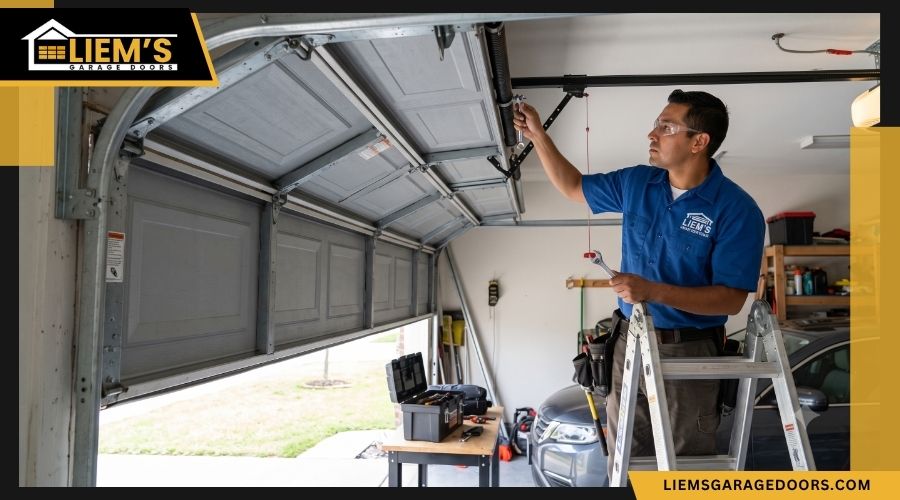
Balance the repair cost against the long-term value of installing a new garage door. A fresh garage door installation can improve curb appeal, safety, and daily performance.
The 2025 Cost vs Value Report lists garage door replacement at 267.7% cost recouped, making it one of the highest-return exterior home upgrades. Repair the system if the quote is less than half the price of a full replacement and the main structure is still in good shape.
Replacing bad springs, worn rollers, or rusty hinges can extend the life of the mechanical system, but it does not reset the age of the full garage door. However, you should consider a new unit when the main panels are warped, badly rusted, cracked, or no longer safe to operate.
How Can I Maintain My Garage System?
Basic upkeep keeps the door running safely and efficiently. Spray a lithium-based garage door lubricant on the metal hinges, rollers, and springs twice every year.
Avoid standard degreasers because they can strip away helpful grease. Also, wipe the vertical tracks with a damp cloth to remove dirt buildup, but do not grease the tracks.
Finally, test the automatic reversal system monthly. Place a 2×4 board flat under the door, stand clear, and close the door to confirm it reverses after contact.
Keep Your Garage Door Working Longer
A garage door can last for decades when homeowners take care of the moving parts, fix small issues early, and replace unsafe hardware when needed. Regular inspections also help protect your opener, panels, springs, rollers, and tracks from avoidable damage.
Liem’s Garage Door Repair is a garage door company in Carmichael, CA specializing in emergency garage door repair and garage door installation for local residents. Contact our local experts today to schedule an inspection and maximize your hardware lifespan.
Frequently Asked Questions
How long do standard torsion springs actually last?
Most torsion springs last about 10,000 cycles. Many homes reach that limit in around seven years with normal daily use and basic care.
Is a battery backup legally required for my opener?
Yes. California requires battery-backup functions for residential openers sold or installed on or after July 1, 2019, for safety reasons.
How often should I lubricate the moving parts?
Use lithium-based garage door lubricant on hinges, rollers, and springs twice a year. Clean the tracks, but do not grease them.
Do insulated panels last longer than uninsulated ones?
Yes, insulated steel panels often resist dents and warping better than thin hollow doors, especially with regular system maintenance.
What causes the tracks to bend or misalign?
Vehicle impacts, loose brackets, worn rollers, and daily strain can bend tracks and cause the door to become misaligned over time.