
A noisy garage door means parts are rubbing together or vibrating loose. You can usually stop the noise by tightening the hardware and applying silicone lubricant to the hinges, rollers, and springs. Ignoring grinding, squeaking, or rattling speeds up hardware wear and leads to expensive mechanical failure. If left unaddressed, you may suddenly find that your garage door won’t open at all. This guide explains why your garage door is loud and shows you how to quiet it down. You will learn to identify common sounds, perform basic garage door maintenance, and know when to call a professional.
Top 5 Causes of a Noisy Garage Door
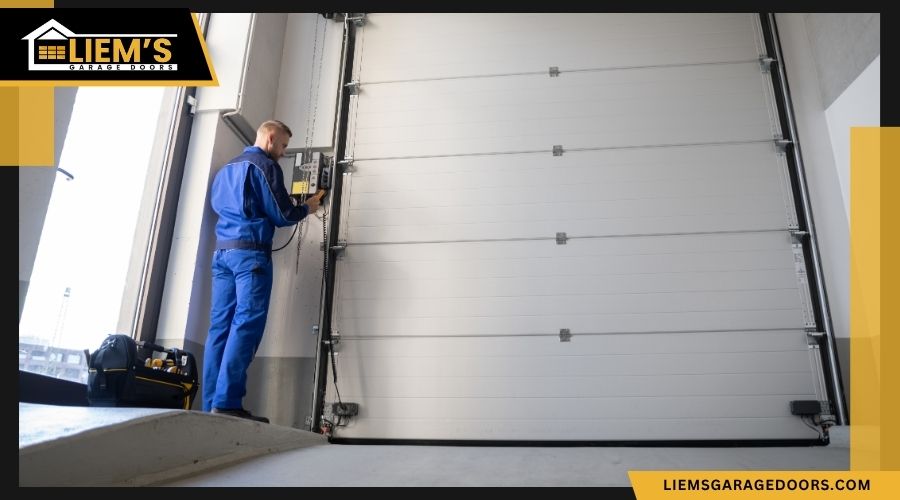
Most noise results from friction. Identifying the specific sound helps you pinpoint which part of the door system requires attention.
- Worn Steel Rollers: Steel rollers with unsealed bearings lose lubrication and rust. This causes a loud grinding sound as they drag inside the tracks.
- Loose Track and Hinge Hardware: Opening and closing the door creates heavy vibration. This loosens the nuts and bolts on your hinges and track brackets, resulting in a rattling noise.
- Dry Torsion Springs: Torsion springs hold immense tension. When the metal coils lack lubrication, they rub together and create a loud squeaking or popping sound as the door moves.
- Incorrect Chain Tension: A loose drive chain sags and slaps against the metal T-rail. This creates a rhythmic clanking sound while the motor runs.
- Misaligned Tracks: If your vertical tracks are not plumb, the door panels will rub against the track lips. This binding causes a scraping noise and damages the door sections.
How to Fix a Noisy Garage Door Yourself
You can quiet most minor squeaks and rattles with basic tools. Perform these maintenance steps to restore smooth operation:
- Apply Silicone Lubricant: Spray a lithium or silicone-based garage door lubricant on the hinges, roller bearings, and torsion springs. Apply a light coat to the spring coils while the door is closed. Do not use WD-40. It acts as a degreaser and attracts damaging grit.
- Tighten the Fasteners: Use a socket wrench to check the track mounting brackets and door hinges. Tighten every nut and bolt so they are secure, but do not overtighten and strip the threads.
- Clean the Vertical Tracks: Wipe the inside of the tracks with a damp rag to remove dirt buildup. Never apply grease or oil to the tracks. The rollers need to roll, not slide.
- Adjust the Opener Chain: Tighten the tension nut on the opener unit to remove chain slack. Follow your specific manufacturer guidelines to avoid overtightening, which destroys the motor gear sprocket.
- Replace Weatherstripping: Swap out hard, cracked rubber bottom seals. Fresh weatherstripping absorbs the impact when the door meets the concrete floor, stopping loud thuds.
When to Hire a Professional for Loud Garage Doors
Some noise points to dangerous mechanical issues. You need specialized tools to safely repair high-tension components. Hire a professional for the following tasks:
- Spring Replacement: Torsion springs hold enough force to lift a 200-pound door. They can cause severe injury if they snap during a DIY repair.
- Lift Cable Repair: Frayed cables or cables that slip off the drum require specialized tension adjustment.
- Opener Calibration: A technician adjusts the travel limits and force settings to stop the motor from straining.
- Structural Alignment: Technicians bend tracks back into shape and reinforce sagging door panels to prevent dangerous binding.
- Safety System Testing: Professionals verify your photo-eye sensors function properly and meet UL 325 safety standards to prevent crushing hazards.
Fix Your Noisy Garage Door Before It Fails
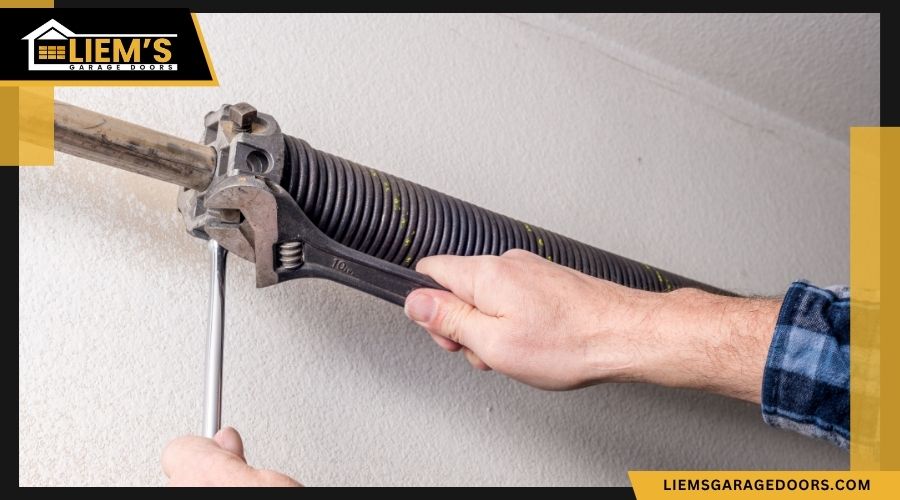
A noisy garage door requires immediate maintenance. Lubricating moving parts and tightening hardware extends the lifespan of your system and prevents sudden breakdowns.
Liem’s Garage Door Repair is a garage door company in Carmichael, CA, specializing in emergency garage door repair and garage door installation for local residents. If you cannot fix the squeaking or grinding yourself, contact us for professional emergency garage door repair. Our team fixes mechanical failures quickly to keep your door operating safely and quietly.
Frequently Asked Questions
Why does my garage door squeak when it opens?
Squeaking happens when metal parts rub together without lubrication. Spraying a silicone-based lubricant on the hinges, springs, and rollers usually stops the squeaking.
How do I lubricate my garage door?
Spray a dedicated garage door lubricant on the hinge pivot points, roller bearings, and the outside of the torsion springs. Do not apply grease to the tracks. Grease traps dirt and ruins the rollers.
Is a noisy garage door dangerous?
Yes. Noise indicates failing parts. Grinding or popping sounds from a frayed cable or worn spring mean the door could fall or jam.
How can I make my garage door quieter?
Replace steel rollers with nylon rollers containing sealed bearings. Nylon rollers run smoother and absorb vibration. Upgrading from a chain-drive to a belt-drive opener also eliminates motor noise.
How often should a garage door be serviced?
Schedule a professional service once a year. A technician checks the door balance, aligns the safety sensors, and lubricates the hardware to stop premature wear.