
The most frequent garage door opener problems stem from misaligned safety sensors, stripped internal drive gears, dead transmitter batteries, or logic board electrical faults. When your motorized opener system fails, diagnosing these specific mechanical or electrical symptoms determines whether you need a quick DIY adjustment or professional intervention. Understanding the root cause of these malfunctions saves time and prevents further damage to the drive mechanism.
How to Diagnose Garage Door Opener Problems
Many opener issues present specific physical symptoms. You can isolate the mechanical or electrical fault quickly by observing these signs. Use this reference chart to match the problem you see or hear with the correct solution:
| Symptom | Probable Cause | Primary Solution |
| Lights flash 10 times and door reverses | Sensor Obstruction | Clear the beam path and realign the photo-eyes |
| Motor whirrs, but the chain doesn’t move | Worn Internal Drive Gear | Inspect and replace the internal drive gear assembly |
| Remote fails, but the wall button works | Signal Interference | Replace the remote battery or remove standard LED bulbs |
| Door reverses immediately after hitting the floor | Travel Limit Error | Adjust the down-limit calibration screw on the motor |
| No power to the motor unit | Tripped GFCI Outlet | Reset the wall outlet or the main circuit breaker |
Common Causes of Garage Door Opener Failures
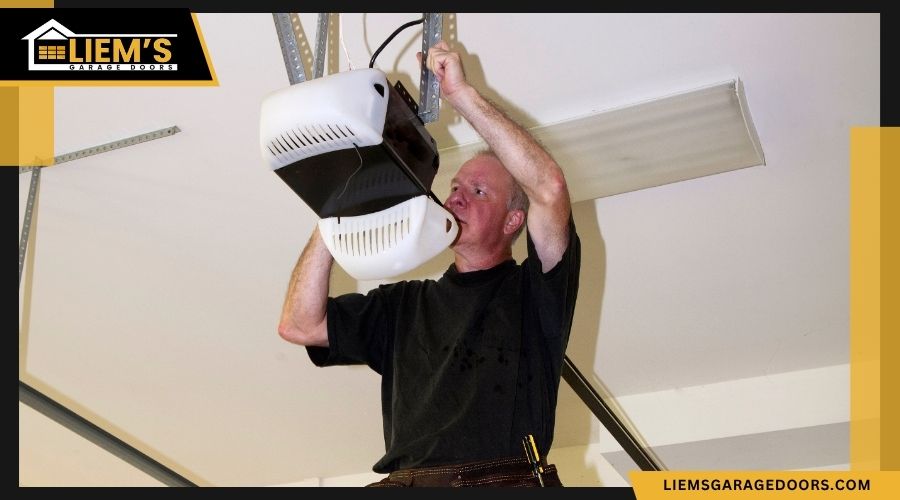
Openers fail in predictable patterns based on their age and daily use. You can narrow down the exact cause of the failure by observing how the motor behaves:
- Remote Signal Failure: The hand-held transmitter cannot communicate with the logic board. This happens because of dead batteries or local radio frequency interference.
- Safety Sensor Misalignment: The photoelectric sensors at the base of the vertical tracks stop the door from closing if dirt or movement blocks the infrared beam.
- Stripped Drive Gears: Internal plastic gears wear out over time. This creates a humming sound where the motor runs, but the door stays completely stationary.
- Travel Limit Errors: Calibration settings control exactly where the door stops. If these settings shift, the door hits the concrete floor and immediately reverses.
- Logic Board Surges: Electrical surges damage the circuit board. This causes erratic operation or a complete failure to respond to any commands.
DIY Solutions for Garage Door Motor Issues
Many opener problems are basic maintenance tasks. You do not need specialized tools to perform these checks. You can often restore normal function by applying these straightforward adjustments:
- Battery Replacement: Swap the batteries in your remote transmitters and the wall-mounted keypad. Fresh batteries ensure a strong radio signal reaches the receiver.
- Sensor Cleaning: Wipe dust and cobwebs off the infrared photo-eye lenses using a soft, dry cloth. This clears the safety beam path.
- Photo-Eye Realignment: Adjust the track brackets by hand. Stop moving them when the indicator lights on both sensors hold a solid, unflickering glow.
- Lubrication: Apply lithium-based garage door lubricant to the rail or screw drive as specified in your owner’s manual. This reduces friction and prevents mechanical strain.
- LED Bulb Check: Remove standard LED bulbs from the motor housing. Replace them with radio-frequency (RF) shielded bulbs to stop signal interference.
When to Schedule Professional Garage Door Opener Repair
While you can safely handle minor adjustments, the opener connects to a high-tension spring system. A professional technician ensures the motor works in exact synchronization with the springs and tracks to prevent severe mechanical wear:
- Safety Compliance: Technicians verify that the auto-reverse mechanism meets current federal guidelines, including UL 325 entrapment protection standards.
- Spring Balance Testing: Professionals test if the opener motor strains against a weak or broken spring that requires immediate replacement.
- Internal Component Repair: Replacing capacitors or logic boards exposes you to high-voltage electricity. This presents a serious hazard for untrained individuals.
- Force Sensitivity Tuning: Experts use calibrated force gauges. They set the closing pressure so the door stops safely without crushing objects or destroying the motor.
- Warranty Protection: Most manufacturers mandate professional installation and verified repairs to keep your equipment warranty valid.
Next Steps to Restore Your Garage Door Opener
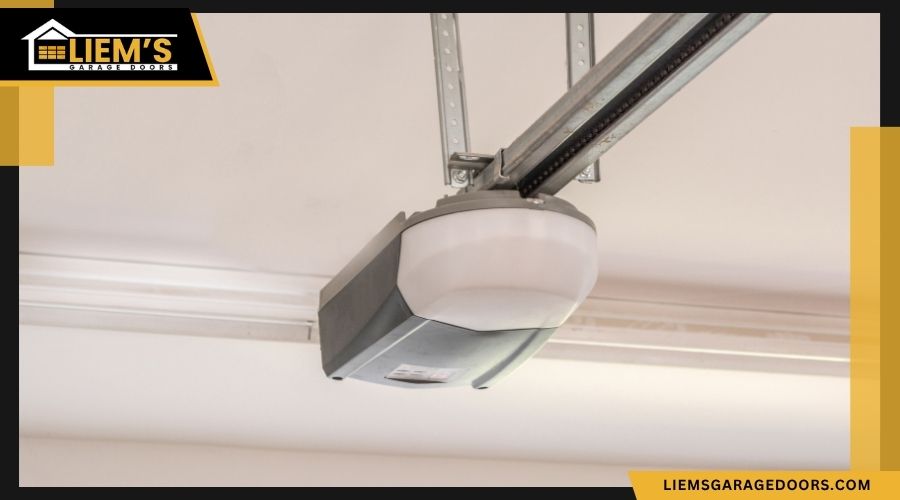
Diagnosing your opener begins with isolating simple power issues from complex mechanical faults. If your sensors function and your batteries are fresh, but the motor still struggles, the defect exists deep within the drive system or the door balance. Fixing these faults early prevents a stripped gear from escalating into complete motor failure.
Avoid leaving your vehicle stuck inside the garage. Contact our expert technicians for professional garage door opener repair to safely restore your system. Liem’s Garage Door Repair is a garage door company in Carmichael, CA specializing in emergency garage door repair and garage door installation for local residents.
Frequently Asked Questions
Why is my garage door opener motor humming but not moving?
This indicates a worn internal drive gear. The motor receives power and turns, but the plastic gears inside have worn down and can no longer grip the chain or belt drive mechanism.
How do I fix a garage door that opens but won’t close?
Check the safety sensors at the bottom of the door tracks. If the sensor lights are blinking or turned off, realign the physical brackets until the lights remain solid. The opener blocks the door from closing if it detects an obstruction.
What do the blinking lights on my garage door opener mean?
Blinking lights serve as a diagnostic code from the logic board. Chamberlain and LiftMaster models often flash 10 times to indicate a sensor problem. A flashing LED on the actual motor unit points to a specific electrical fault or travel limit error.
Why does my garage door remote only work when I am close?
A reduced range usually results from local radio frequency interference or a dying battery. Check the light bulbs inside the opener housing. Standard LED bulbs create a frequency bubble that actively blocks your remote’s signal.
How do you reset the travel limits on a garage door?
You adjust the specific travel screws or digital buttons located directly on the motor head. If your door hits the floor and reverses immediately, turn the “Down” travel screw counterclockwise to shorten the closing distance.