
Types of garage door openers include chain-drive systems, quiet belt-drive systems, and space-saving wall-mount units. The best choice depends on your household noise tolerance, garage layout, ceiling clearance, door weight, and budget.
A broken or outdated opener can create daily frustration and safety concerns for busy families. Comparing opener types alongside the best garage door materials can help you build a safer, smoother, and more reliable entry point for your home.
What Makes a Garage Motor Best in Class
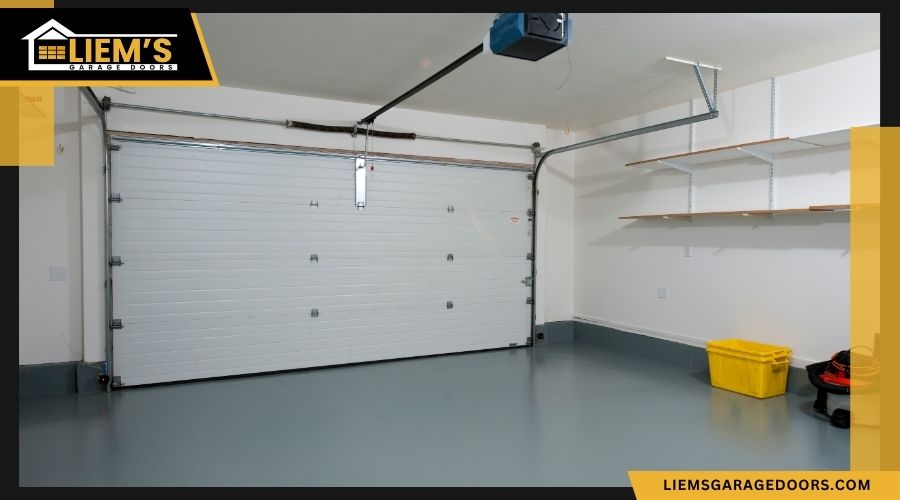
A top-tier garage motor provides quiet operation, dependable lifting power, strong security features, and a reliable backup system. High-quality units work smoothly with smart home tools and lift the door without shaking nearby living spaces.
Premium models often use direct current motors because they allow soft start and stop cycles. These smoother cycles help reduce wear on the opener, rail, and connected hardware.
Advanced units may also include rolling code technology, which helps prevent digital code grabbing. Strong warranties, sturdy parts, and proper installation all help protect your investment over time.
Laws, Standards, and Regional Requirements
Garage door openers must meet safety standards that help protect people, pets, and property from entrapment hazards. The U.S. Consumer Product Safety Commission has safety rules for automatic residential garage door operators, including entrapment protection requirements for openers manufactured for sale in the United States.
Modern residential garage door openers require entrapment protection, which commonly includes photoelectric eyes installed near the floor. These sensors detect objects in the door path and trigger the door to reverse before it closes on an obstacle. The Federal Register rule on automatic residential garage door operators explains updates tied to UL 325 entrapment protection requirements.
California has an additional rule for battery backup. California Senate Bill 969 requires new residential garage door openers sold or installed in the state to include a functioning battery backup system for safer operation during power outages.
Mechanical Categories of Drive Systems
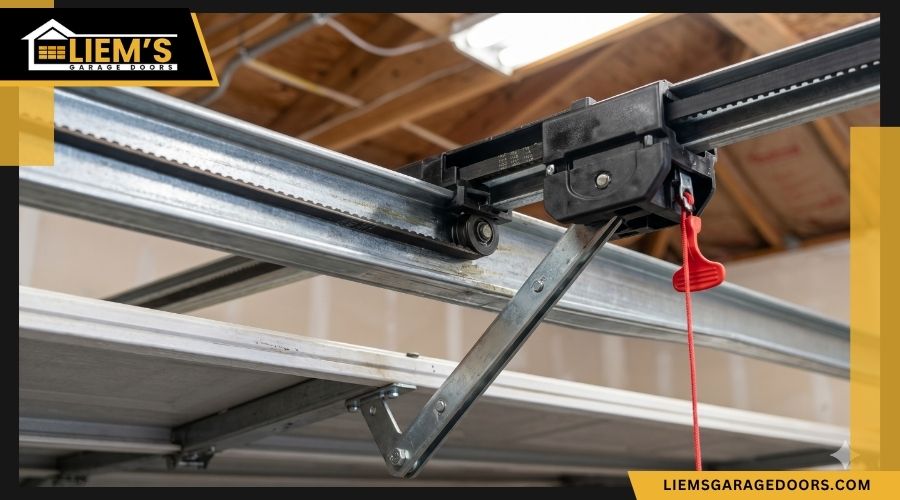
Homeowners usually choose a drive system based on noise level, lifting strength, garage layout, and available ceiling space. The three common options are chain drives, belt drives, and wall-mounted jackshaft units.
Review this quick comparison to see which opener style fits your household layout.
| Drive System Type | Best Residential Use Case | Expected Noise Level |
| Chain Drive | Heavy wooden doors and detached garages | Loud mechanical operation |
| Belt Drive | Attached garages near bedrooms or living spaces | Very quiet operation |
| Wall Mount | High ceilings and overhead storage setups | Extremely quiet operation |
Each drive style handles different workloads and creates different noise levels. Understanding these differences can help you avoid common garage door opener problems later.
Why Choose a Chain Drive Opener
Chain drive systems use a strong metal chain to pull the door along a central steel rail. This option delivers strong lifting power at a lower upfront cost.
These systems can handle heavy carriage house doors or thick wood panels well. However, the metal-on-metal movement creates more noise and vibration than other opener types.
Avoid placing chain models directly under bedrooms or quiet living areas. They usually work best in detached garages where noise will not disturb the household.
Is a Belt Drive Opener Worth the Extra Cost
Belt drive systems replace the metal chain with a flexible rubber or fiberglass belt to move the trolley. This design gives homeowners one of the quietest opener options for residential garages.
The belt helps reduce vibration and eliminates the loud clanking sound linked to chain systems. These models often cost more than chain openers, but they offer better comfort for attached garages.
They also require less routine lubrication than chain systems. Choose a belt drive if your family sleeps, works, or relaxes near the garage.
When to Install a Wall-Mounted Jackshaft Opener
Wall-mounted jackshaft systems attach to the side of the garage door rather than hanging from the ceiling. They connect near the torsion bar and lift the door without using a long overhead rail.
This setup frees up ceiling space for storage racks, taller vehicles, or car lifts. It also creates a clean garage layout with less equipment overhead.
Jackshaft openers require the right-side clearance and usually use a torsion spring system. A technician should confirm that your garage door setup can support this opener style before installation.
How Smart Technology Improves Garage Security
Modern garage door openers can also support home security. Smart motors connect to your home wireless network so you can check, control, and monitor your garage door from a phone.
Connected systems can offer several safety and convenience benefits:
- Remote monitoring lets you check whether the garage door is open or closed.
- Activity alerts notify you when the door moves.
- Built-in cameras can show who enters or leaves through the garage.
- Guest access tools can help you manage deliveries, visitors, or family access.
- Scheduled closing features can reduce the chance of leaving the door open overnight.
These features can be useful, but they work best when the opener, door, springs, and sensors are all in good condition.
Expert Warnings and Operational Safety
The wrong opener or poor installation can cause early motor failure, uneven movement, and serious safety risks. Homeowners often misjudge door weight or miss worn parts during replacement.
Never connect a new opener to an unbalanced garage door. If the springs cannot support the door manually, the motor may work too hard and wear out quickly.
Test the safety system monthly to help confirm the opener reverses properly and that its required entrapment protection devices are working as intended. UL 325 safety standards help guide safety requirements for automatic garage door operators before they are installed.
Also, check the emergency release cord so you can disconnect the opener if the system fails during an outage or mechanical issue. For added safety, DASMA garage door safety tips recommend that trained door system technicians handle garage door installation, as the work can be dangerous for inexperienced homeowners.
Professional installers follow industry safety practices and manufacturer instructions to ensure the entire system works correctly. That includes the opener, springs, cables, tracks, rollers, sensors, and door panels.
Choosing Your Local Garage Door Professional
Choosing the right opener is easier when a trained technician inspects the full garage door system first. Door weight, spring condition, track alignment, available clearance, and safety controls all affect which opener will work best.
Liem’s Garage Door Repair is a garage door company in Carmichael, CA specializing in emergency garage door repair and garage door installation for local residents. Working with an experienced technician helps ensure your new opener meets safety standards and operates reliably.
Contact our local service team today to schedule an inspection or request an estimate for your opener upgrade.
Frequently Asked Questions
Is a battery backup legally required for California garage openers?
California law requires battery backup for new residential garage door openers sold or installed in the state. Existing openers may not need replacement unless the door or opener is being replaced.
Can a homeowner install a garage opener without professional assistance?
A homeowner can install some openers, but professional installation helps confirm safe wiring, balanced door movement, correct force settings, and proper sensor alignment.
How do smart garage door openers improve home security?
Smart openers send phone alerts, show door status, and allow remote access control. Some models also include cameras, activity logs, and secure delivery features.
Which garage door opener type lasts the longest?
Chain-and-belt drive openers can both last for years with proper maintenance. The best choice depends on door weight, installation quality, and regular safety checks.
What happens if an opener lacks UL 325 compliance?
A non-compliant opener may lack required safety protection and pose a serious injury risk. In many cases, replacement is safer than repair.