
The best garage door materials for residential homes are multi-layer steel, aluminum, natural wood, and fiberglass composite. Your choice directly dictates the door’s insulation capabilities (R-value), structural security, maintenance schedule, and overall lifespan. Before you focus on aesthetics, you must evaluate how different materials perform in your specific climate and adhere to local building codes. Understanding why the right garage door matters ensures your investment protects your home and operates reliably.
In this guide, we evaluate steel, aluminum, wood, and composite garage doors. You will learn the technical differences so you can select a durable material built to handle daily mechanical stress.
Top Garage Door Materials for Durability and Design
The most reliable garage door materials combine structural strength, thermal resistance, and weatherproofing. Multi-layer steel, aluminum, fiberglass composite, and natural wood are the standard choices in the industry. For Carmichael homeowners, the correct material depends on high summer temperatures, your garage layout, and local fire regulations.
Steel delivers excellent security and thermal insulation. Aluminum provides a lightweight, rust-proof frame suitable for modern designs. Natural wood offers a premium aesthetic but demands strict maintenance. Fiberglass composite mimics the texture of wood but resists rot, warping, and insect damage.
How Building Codes and Climate Dictate Material Choices
Local building codes regulate garage door structural integrity, fire ratings, and insulation. These codes protect the building envelope and ensure the door system operates safely under heavy loads. Requirements vary based on whether your garage is attached or detached from the primary living space. You must select a material that satisfies both your architectural design and local municipal standards.
Furthermore, your entire track, spring, and opener system must comply with DASMA industry standards for safe performance.
Insulation and Energy Efficiency: R-Value Explained
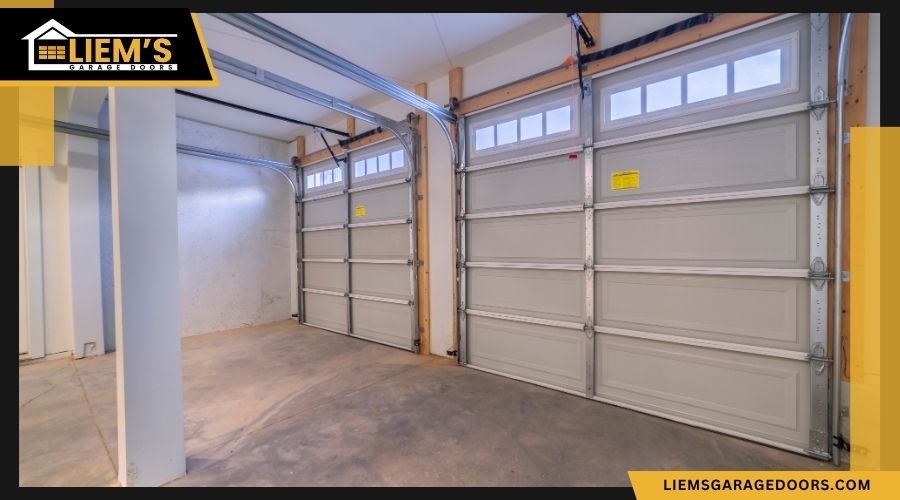
Energy efficiency is critical when a garage shares walls with your home. An insulated garage door reduces thermal transfer. This stabilizes interior temperatures and lowers your HVAC workload. The industry measures thermal resistance using an R-value. A higher R-value indicates superior insulation.
Homeowners should review general insulation R-value guidelines to understand how thermal boundaries work. For attached garages, insulated multi-layer steel or composite doors offer the best barrier against extreme temperatures.
Wildfire Safety and Fire-Rated Garage Doors
Fire safety regulations heavily influence material selection in regions prone to wildfires. Homes near wildland-urban interface (WUI) zones face strict codes to prevent wind-blown embers from igniting the structure. Local laws often prohibit untreated wood panels.
If you live in a high-risk fire zone, multi-layer steel, heavy-duty aluminum, or specific fire-rated composites are much safer and more compliant choices than natural wood.
Evaluating the Long-Term Cost of Garage Door Materials
Replacing a garage door increases curb appeal and home security. However, the best financial return requires matching the material to the environment. A poor material choice leads to frequent repairs and premature replacement.
Steel provides the most cost-effective balance of structural integrity and insulation. Aluminum requires a higher initial budget but prevents rust in damp conditions. Fiberglass composite requires a larger upfront investment but yields long-term savings by eliminating the need for repainting, staining, or rot repair.
A Side-by-Side Comparison of Garage Door Materials
Every material has distinct mechanical properties, costs, and maintenance schedules. Comparing these factors prevents incorrect applications and minimizes future garage door problems.
Review this breakdown of the industry’s standard options:
| Material Type | Primary Benefit | Maintenance Level | Weather Performance |
| Multi-Layer Steel | Strong security and high insulation | Low | Good |
| Aluminum and Glass | Rust-resistant frame with light weight | Low | Very Good |
| Natural Wood | Custom architectural design | High | Fair |
| Fiberglass Composite | Wood texture without rot or warping | Very Low | Very Good |
Steel vs. Aluminum Garage Doors
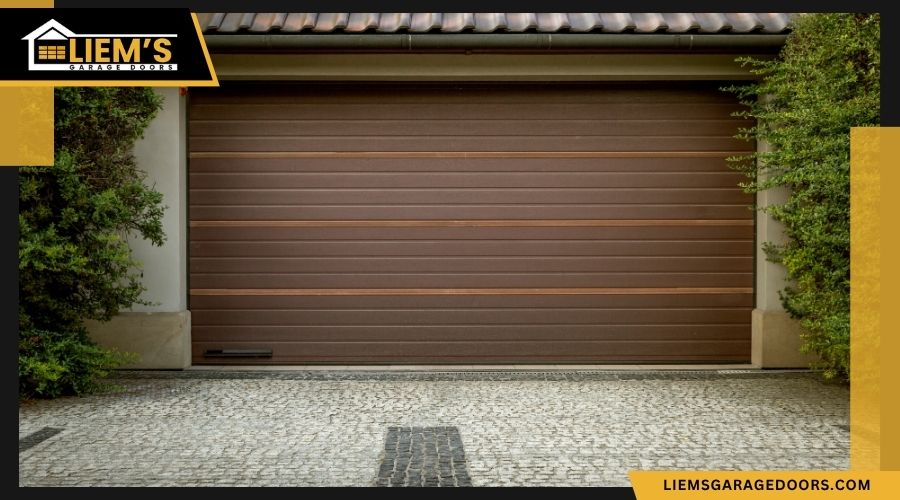
Select steel for maximum impact resistance, high insulation capacity, and daily durability. Multi-layer insulated steel doors are heavy but provide excellent climate control for attached garages.
Select aluminum if you need a lightweight, corrosion-resistant frame. Aluminum frames often hold frosted or tinted glass panels. This maximizes natural light while reducing the total weight placed on the torsion springs.
Natural Wood vs. Fiberglass Composite Doors
Natural wood offers a heavy, custom aesthetic. Fiberglass composite replicates this look using synthetic polymers. The correct choice depends entirely on your maintenance budget.
Wood doors require rigorous annual maintenance, including sanding, staining, and sealing. Exposure to UV rays and moisture causes natural wood to expand, warp, and crack over time. Composite doors require simple cleaning. They resist moisture intrusion and insect damage, making them a highly practical alternative to solid wood.
Avoiding Costly Mistakes When Selecting Materials
The most common error is selecting a material based solely on visual appeal. You must account for panel weight, insulation requirements, and the lifting capacity of your hardware. A heavy door installed on weak tracks places severe stress on your torsion springs and opener motor.
Follow these engineering guidelines before ordering a door:
- Match heavy wood or composite panels with high-cycle torsion springs.
- Install a high-horsepower opener if the new material weighs more than the previous door.
- Verify that your tracks, rollers, and lift cables can support the specific weight of the new material.
- Order polyurethane or polystyrene insulation for any attached garage.
- Select synthetic or metallic materials to eliminate rot and routine painting.
Final Steps to Select Your Garage Door Material
Analyze your climate, calculate your maintenance budget, and verify local building codes. An attractive wood door fails if you ignore the necessary upkeep. Insulated steel remains the most practical choice for standard residential use. Aluminum suits contemporary architecture and reduces mechanical strain. Composite delivers the visual texture of wood without the structural weaknesses. Review panel weight, R-value, wind-load ratings, and hardware compatibility before finalizing your order.
Schedule Your Garage Door Replacement
A professional installation ensures your new material performs as intended. We calculate the required spring tension, track gauge, and motor strength based on your specific panel choice. When you are ready to upgrade, our technicians provide expert garage door installation tailored to your structural needs and municipal codes.
Liem’s Garage Door Repair is a garage door company in Carmichael, CA specializing in emergency garage door repair and garage door installation for local residents.
Frequently Asked Questions
What is the best garage door material for most homes?
Steel is the most practical choice for residential homes. It provides high structural strength, excellent insulation options, and requires minimal maintenance.
Are wood garage doors a good choice in California?
Wood garage doors look excellent on custom homes but require constant maintenance to prevent sun and moisture damage. In high fire-risk zones, untreated wood often fails to meet building codes.
Which garage door material lasts the longest?
Multi-layer steel, aluminum, and fiberglass composite doors offer the longest lifespans when installed correctly. They do not rot or warp like natural wood.
Does a new garage door increase home value?
Yes, replacing an old garage door increases curb appeal and home security. The exact return on investment depends on the material chosen and local real estate markets.
Should I upgrade my garage door hardware with a new door?
Yes. New doors require appropriately rated springs, rollers, tracks, and openers. Heavier materials like wood or composite demand heavy-duty hardware to operate safely.