If you are replacing your garage door, you need to know your options. The five main types of garage doors are sectional, roll-up, tilt-up, side-hinged, and sliding doors. Choosing the right one depends on your driveway space, ceiling height, and home style. This guide breaks down how each type works so you can make the best functional and visual choice for your home.
Matching Design with Function
A basic white panel door used to be the only option for most homes. Today, you can choose from sleek modern designs to rustic wood aesthetics. However, picking a door is not just about looks; it is about how the door actually operates in your physical space.
Understanding the practical differences between a sectional door and a tilt-up design prevents costly mistakes. It ensures your new door works perfectly with your driveway length, ceiling clearance, and local weather conditions.
Why Choosing the Right Garage Door Matters
Selecting the correct garage door type impacts your daily convenience, home security, and curb appeal. Because it is the largest moving piece of machinery in your house, replacing it offers a great return on investment. But a beautiful door fails if it hits your car in a short driveway or lacks the proper insulation for your climate. The right choice balances smooth mechanical movement with your overall design goals.
Understanding Garage Door Types and Mechanisms
Garage doors operate using distinct mechanical systems, including overhead tracks, rolling coils, or traditional side hinges. The physical movement dictates the category. Here are the primary types of garage doors available today.
Sectional Garage Doors
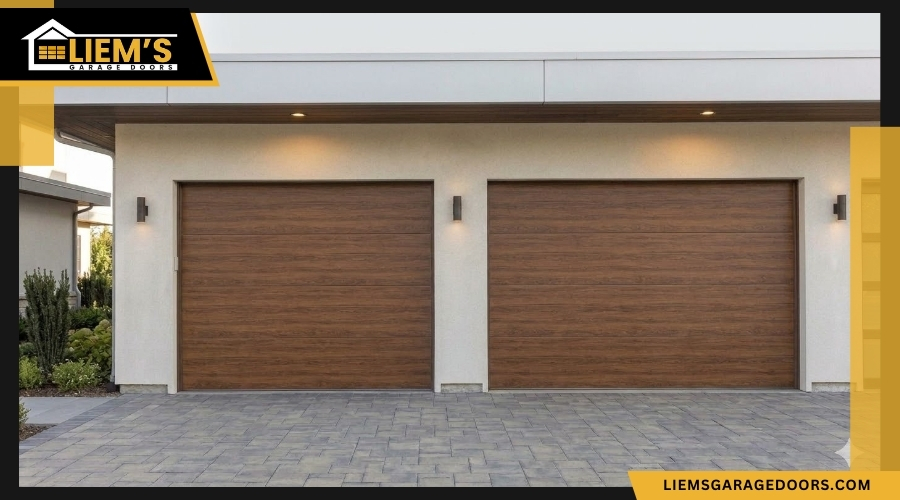
The sectional garage door is the most common choice for residential homes. These feature horizontal panels connected by hinges. As the door opens, wheels roll along a curved track system to rest parallel to the ceiling. Because they lift straight up, you can park just inches from the door without blocking its path.
Roll-Up Garage Doors
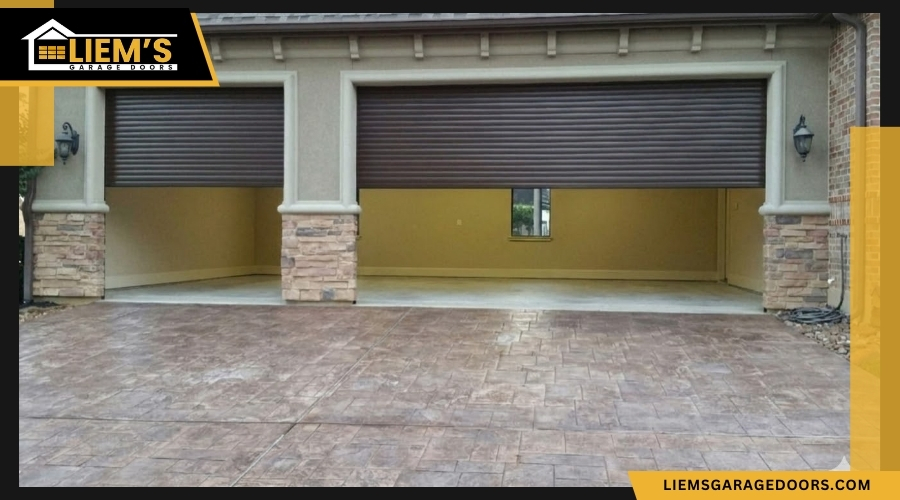
Built from horizontal steel slats, this door coils around a single drum above the opening. When comparing sectional vs roll-up garage doors, roll-up models require much less ceiling space. They have fewer moving parts, making them highly durable and a great fit for garages with low headroom.
Tilt-Up Garage Doors
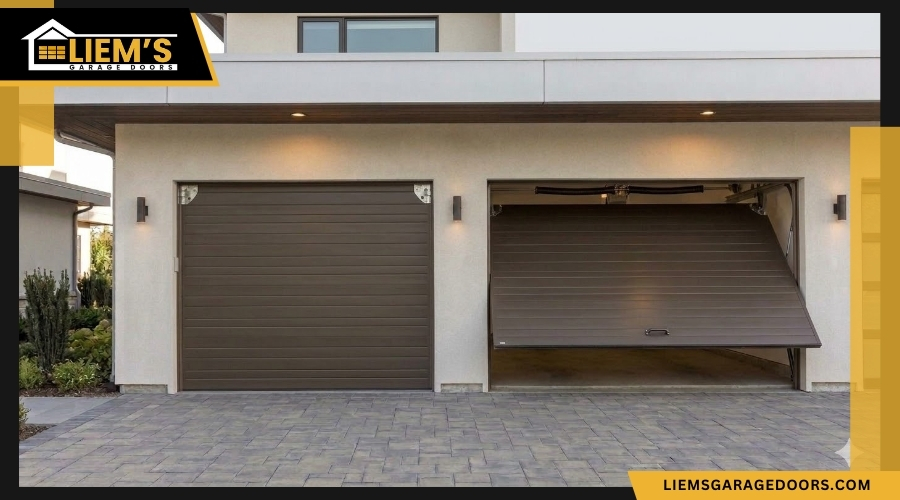
A tilt-up garage door is made of one solid piece of material instead of folding panels. Pivot hinges push the single panel outward and up into the ceiling space. Because tilt-up doors swing out past the front of the garage while opening, you must park further back in your driveway to avoid damage.
Side-Hinged Garage Doors
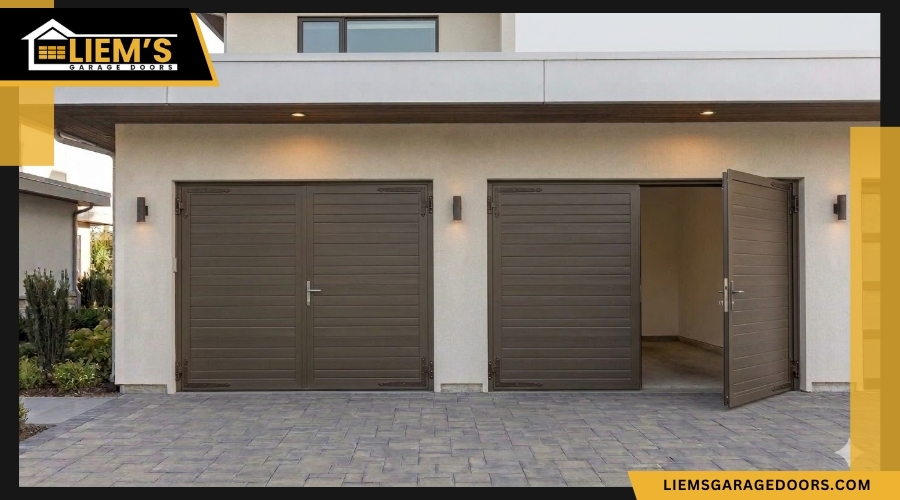
Also known as swing-out doors, side-hinged garage doors operate like traditional double doors. They swing open from a center split. These are excellent for garages converted into workshops or gyms because they leave the ceiling totally clear and allow for easy walking access.
Sliding Garage Doors
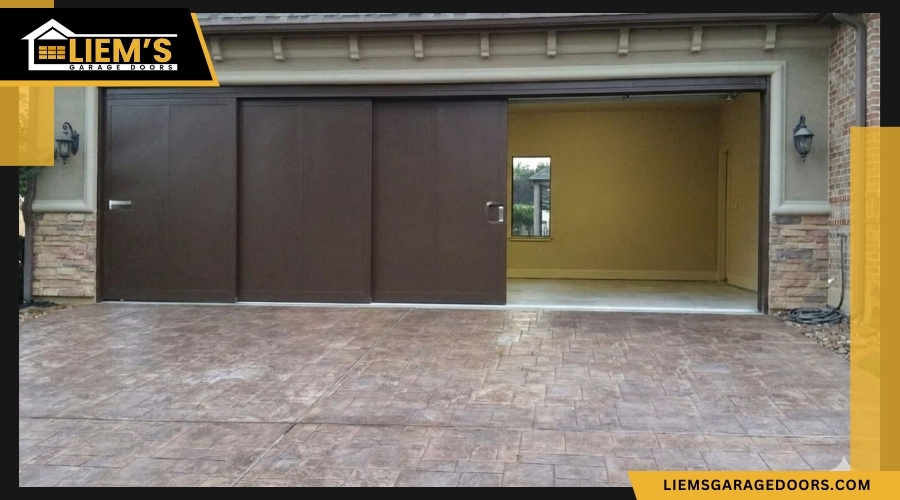
Sliding garage doors run along a horizontal track at the top and bottom of the entrance, bending around the corner of the inside wall. They keep the overhead space completely clear, making them ideal if you have tall ceilings or ceiling-mounted storage.
Popular Garage Door Styles
Once you choose how the door will operate, you need a visual style that matches your home’s exterior architecture to boost your curb appeal.
- Traditional Panel: Uses symmetrical, raised, or recessed panels. They are versatile and available in materials from stamped steel to fiberglass.
- Carriage House: Replicates the look of old carriage houses, often featuring faux iron hinges to simulate a swing-out look. Structurally, they usually operate on standard overhead tracks, but they add massive charm to Craftsman or Farmhouse style homes.
- Contemporary: Prioritizes clean lines and industrial materials like tempered glass and aluminum frames. This style lets in natural light and fits modern or minimalist homes perfectly.
Safety Standards and Building Codes
Garage door installations must follow strict safety regulations and local building codes to prevent injury.
- Permits: Permits are usually required for full replacements.
- Safety Sensors: Federal standards require all automated doors to have photo-eye safety sensors. These sensors stop and reverse the door if an object crosses the beam.
- Wind Load Ratings: If you live in an area prone to severe weather, your local codes may require a specific Wind Load Rating. This tells you how much wind pressure a door can handle before blowing out.
Making the Right Choice for Your Space
Use this quick guide to match your property constraints with the correct door type:
| Your Garage Setup | The Challenge | Recommended Door Type |
| Short Driveway | Cars must park close to the garage face. | Sectional or Roll-Up (they lift straight vertically). |
| Low Ceiling | Overhead tracks will not fit. | Roll-Up or Sliding track systems. |
| Heavy Foot Traffic | Opening the whole door wastes heated/cooled air. | Side-Hinged for fast walking access. |
When to DIY and When to Hire a Pro
Basic maintenance is safe for homeowners. You can easily lubricate hinges, replace bottom weather stripping, or test your safety sensors.
However, you must hire a professional for installing new tracks, replacing heavy panels, and repairing torsion springs. A torsion spring is a tightly wound metal coil above the door that holds immense energy. Trying to adjust or replace torsion springs without proper training is incredibly dangerous.
Your Partner for Flawless Garage Door Installations
When you are ready to upgrade your home’s exterior, do not leave the installation to chance. Proper installation ensures your new door runs smoothly and meets all safety codes. Liem’s Garage Door Repair is a garage door company in Carmichael, CA specializing in emergency garage door repair for local residents. We handle the heavy lifting and technical details, guaranteeing a safe, reliable result for any style or system you choose.
Contact our team today to discuss your next project and get the high-quality results your home deserves.
Frequently Asked Questions
What is the most common type of garage door?
The sectional overhead garage door is the most common. It offers a reliable, space-saving design that rolls up straight vertically to fit almost all standard homes.
What is the difference between sectional and tilt-up garage doors?
Sectional doors have horizontal panels that bend along a curved track to rest flat on the ceiling. Tilt-up doors are one solid piece that swings outward into the driveway before tilting up, which means you cannot park directly in front of them.
Which garage door style is best for small driveways?
Sectional doors and roll-up doors are the best choices for small driveways. Because they lift straight up, a car can park right up against the door without blocking it from opening.
Are carriage house doors better than traditional sectional doors?
They are not mechanically better, as most modern carriage house doors run on the exact same tracks as traditional doors. Their main benefit is aesthetic, offering a historical look that greatly improves curb appeal.
Are specific garage doors required in extreme weather areas?
Yes. If you live in a high-wind region, local building codes legally require your garage door to have a specific Wind Load Rating. Installing a door that does not meet code puts your home at risk during a storm and can void your homeowner’s insurance.