
The most frequent garage door problems are broken torsion springs, misaligned safety sensors, and worn-out rollers. These issues stop the door from opening or closing and can trap your car inside. You can fix minor problems, like dirty sensors, yourself. However, a broken spring or a snapped cable requires a professional garage door repair. Fixing these issues early prevents dangerous accidents and expensive door replacements.
When your garage door breaks, it causes immediate problems for your daily routine. Understanding these issues helps you know what to do next. Read on to learn how to diagnose the cause of your broken door and find out exactly how to fix it.
What are the Most Common Garage Door Problems
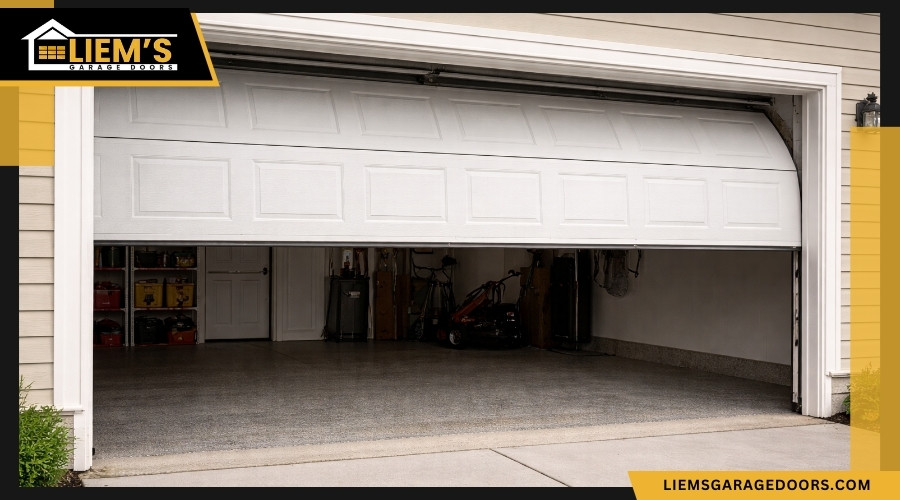
Common issues fall into three groups: mechanical wear, electrical failure, and physical blockages. You will usually deal with broken springs, bad sensors, or damaged rollers.
Garage doors have a set lifespan based on how often they open and close. When parts reach the end of that lifespan, the door stops working correctly. For example, extension springs lose tension over time, making the door sag. Poor track alignment creates friction, which damages the opener motor.
The Professional Maintenance Standard
- Visual Check: Look for frayed cables or loose bolts every month.
- Lubrication: Spray silicone lubricant on the rollers and hinges twice a year.
- Balance Test: Disconnect the opener and lift the door halfway by hand. If it falls or shoots up, you need to adjust the springs.
Why is My Garage Door Opening Halfway and then Stopping
A door that stops halfway has a track blockage or a bad limit setting. If the opener motor feels too much weight or resistance, it stops to protect itself from burning out.
Check the opener limits. These settings tell the motor exactly where to stop. You may need to adjust the “up limit.” However, if the door feels very heavy when you lift it by hand, your torsion springs are failing and cannot lift the weight.
Expert Warning: Do not turn up the motor force setting to fix a heavy door. This hides the real problem and can snap a cable or damage the door panels.
How Do I Know If My Garage Door Spring is Broken
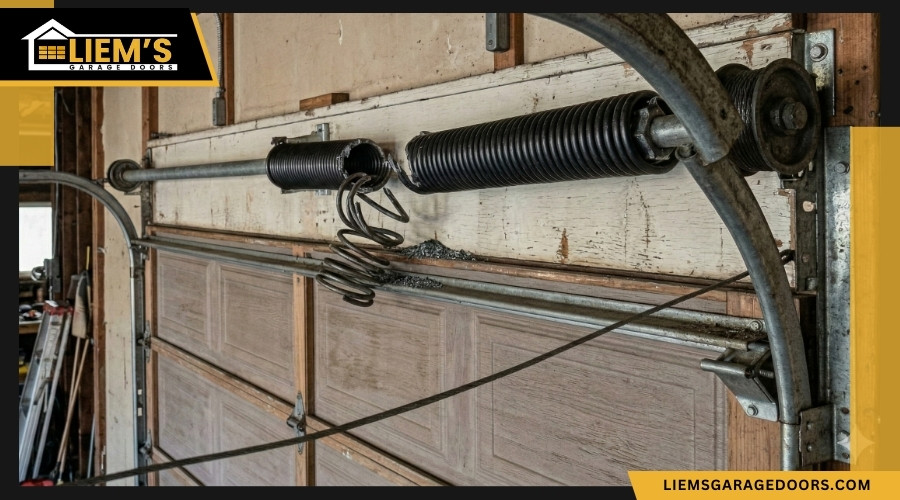
Look for a gap in the metal coils above the door. A two-inch gap means the spring is broken. The door will be too heavy for the motor to lift and will stay stuck on the ground.
Springs hold extreme tension. If you hear a loud “bang” from the garage, a spring likely just snapped. You might also see loose cables hanging from the pulleys.
Diagnostic Table for System Health
| Symptom | Probable Cause | Recommended Action |
| Visible Gap in Spring | Broken Torsion Spring | Call a professional immediately |
| Door Rises Unevenly | Slipped Cable or Track Issue | Check track alignment and drums |
| Opener Moans but No Movement | Broken Spring or Stripped Gear | Disconnect and test door balance |
| Cables are Loose | Tension Loss | Do not operate the door manually |
Why is My Garage Door Making a Grinding Noise
Grinding sounds mean your metal rollers are worn out or the opener gears are damaged. A high-pitched squeak means your hinges and rollers need lubrication right away.
Without grease, rollers stop spinning and drag on the track. This creates friction and loud noises. If the noise comes from the motor box on the ceiling, the internal plastic gear is likely stripped.
How Do I Troubleshoot a Garage Door that Won’t Close
If the door starts to close and goes back up, check the safety sensors. These small units sit near the floor by the tracks. They must point exactly at each other. If something blocks them, the door will not close.
Check the safety sensors for dirt, cobwebs, or trash cans blocking the path. If the sensor lights blink, they are out of alignment. Push them gently until the light turns solid.
Complexity Threshold
- What you can handle: Cleaning sensor lenses, tightening track bolts, and lubricating moving parts.
- When to hire an expert: Replacing torsion springs, fixing cables, or repairing the opener motor.
Professional Local Garage Door Support for Carmichael Residents
Fixing simple garage door problems keeps your home safe and functional. But high-tension springs and electrical issues require an expert. Liem’s Garage Door Repair is a garage door company in Carmichael, CA specializing in emergency garage door repair for local residents.
We offer fast, safe repairs for homeowners and property managers. Let us handle the heavy lifting and technical repairs so your door works perfectly every time.
Frequently Asked Questions
Why does my garage door remote only work sometimes?
Bad batteries or signal interference cause this issue. Some LED light bulbs block the remote signal. Use specific “garage door compatible” LED bulbs to fix the problem.
How long do garage door springs usually last?
Most springs last for 10,000 cycles. For a standard home, this equals about 7 to 10 years. If you open your garage door many times a day, the springs will break sooner.
Can I fix a noisy garage door with WD-40?
No. Standard WD-40 removes grease. It will dry out the parts and make the door louder over time. Always use a dedicated silicone or lithium-based spray instead.
Is it legally required for garage doors to have safety sensors?
Yes. Since 1993, federal law requires all residential garage doors to use safety sensors. Property managers must keep these sensors working to reduce liability.
What happens if I ignore a minor grinding noise?
Small noises turn into expensive repairs. A bad roller can fall out of the track and cause the door to crash. Replacing a cheap roller early saves you from buying a whole new door.